Is Government Contracting Worth It for Contractors?
The short answer
Government contracting can be a lucrative avenue for contractors, offering stability and access to significant projects. However, it comes with challenges like stringent compliance requirements and competition.
Key Takeaways
- Government contracting offers stable income opportunities for contractors.
- It requires compliance with specific regulations and standards.
- The competition for contracts can be intense.
- Potential earnings from government contracts can be significant.
- Understanding the application process is crucial for success.
Government contracting is a lucrative avenue for contractors seeking stable income and significant projects. With the right approach, contractors can tap into a vast array of opportunities that come from federal contracts. However, success in this field requires navigating regulations and understanding the competitive landscape.
What are government contracting jobs near me?
Government contracting jobs are positions where contractors provide goods or services to federal agencies. These jobs can range from construction projects to IT services, depending on the needs of the government. They are often publicly advertised on platforms like GovWin and require contractors to bid competitively.
To find these jobs, contractors can check federal government websites, local government procurement offices, or attend networking events focused on government contracting. Opportunities can vary widely in scope — from small maintenance contracts to multi-million dollar infrastructure projects. For instance, a local contractor might find a contract to upgrade a municipal building, while larger firms could bid on federal highway projects.
What government contracting companies are near me?
Government contracting companies near you are businesses that have successfully won contracts with federal, state, or local governments. These companies specialize in a variety of sectors, such as construction, IT, defense, and logistics.
To identify these companies, you can consult the GSA - General Services Administration database or local industry directories. Networking with local chambers of commerce or attending industry-specific trade shows can also provide insights into which companies are thriving in your area. For example, a construction firm might be known for its work on local government buildings, while an IT company might handle cybersecurity for municipal systems.
What does government contracting near me involve?
Government contracting involves providing products or services to government entities under specific terms and conditions. It requires adherence to strict standards and regulations, often detailed in the contract's terms.
Contractors must ensure compliance with all legal and safety requirements, which can include delivering within set timelines and maintaining quality standards. Understanding these requirements is crucial, and resources like the SBA - Small Business Administration offer guidance on compliance. For example, a contractor working on a federal building project must adhere to specific safety standards and environmental regulations.
Who are the government contractors near me?
Government contractors near you are businesses or individuals that have entered into legally binding agreements with government agencies to deliver specific services or products. These contractors can be large corporations or small local businesses.
To identify these contractors, you can use resources like GovWin or local government procurement portals. Engaging with local business networks can also help you discover contractors who are active in your area. For instance, a well-known local contractor might specialize in road maintenance, while another might focus on providing IT solutions to government offices.
How much does a government contractor make?
A government contractor's earnings vary based on the contract's scope and complexity. While exact figures can differ, government contractors often earn competitive wages compared to private sector contractors due to the stability and scale of government projects.
| Contractor Type | Average Earnings |
|------------------------|------------------|
| Government Contractor | Depends on contract and market |
| Private Sector Contractor | Depends on contract and market |
The comparison describes different work settings. Neither type of contracting offers a predictable earnings advantage; actual results depend on project scope, costs, and contract terms. For example, a contractor working on a federal highway project might secure a multi-year contract worth millions.
How much do government contracts pay?
Government contracts can pay substantial amounts, with the value depending on the contract type and the services or goods provided. Small contracts might offer tens of thousands, while large-scale projects can pay millions.
Government agencies typically outline payment terms clearly in the contract, detailing milestones and deliverables. Understanding these terms is essential for effective cash flow management. For instance, a federal contract for building a new government facility might include staged payments tied to project milestones.
How much are government contracts worth?
The worth of government contracts can range from a few thousand dollars to hundreds of millions. Contracts for large infrastructure projects or defense services tend to offer the highest values.
For contractors, the key is to assess whether they have the capacity to fulfill the contract requirements. With proper planning and execution, even smaller contracts can be stepping stones to more lucrative opportunities. For example, successfully completing a smaller local contract could position a contractor for larger state or federal projects.
What can I expect from government contracting?
Contractors can expect a stable and potentially lucrative business avenue, provided they understand the compliance and competitive aspects. The process involves rigorous bidding procedures and adherence to stringent standards.
Navigating government contracts can be complex, but resources like How to navigate government contracts offer valuable guidance. For instance, understanding the bidding process and how to present a competitive proposal is crucial in securing contracts.
How do I choose the right government contracts?
Choosing the right government contracts involves evaluating your company's strengths and capabilities, the project requirements, and the potential for growth. Here’s a step-by-step approach:
1. Evaluate Your Capabilities: Assess your resources and expertise to ensure you can meet the contract requirements.
2. Research Opportunities: Use platforms like GovWin to find suitable contracts.
3. Analyze Requirements: Thoroughly review contract terms to ensure compliance is feasible.
4. Consider Long-term Value: Choose contracts that align with your business growth goals.
For more insights, check out Learn about the benefits of government contracts.
What are the risks of government contracting?
While government contracts can be lucrative, they also come with risks that contractors should be aware of. These can include strict compliance requirements, potentially long payment cycles, and the need for significant upfront investment.
1. Compliance Risks: Failing to meet contract specifications or regulatory standards can result in penalties or loss of the contract.
2. Financial Risks: Delays in payment from government agencies can impact cash flow, necessitating careful financial planning.
3. Operational Risks: The scale and scope of government projects can strain resources, requiring robust project management to handle effectively.
Understanding these risks and preparing for them can help contractors mitigate potential challenges and succeed in the government contracting landscape.
Unlock Lucrative Opportunities with Federal Contracts
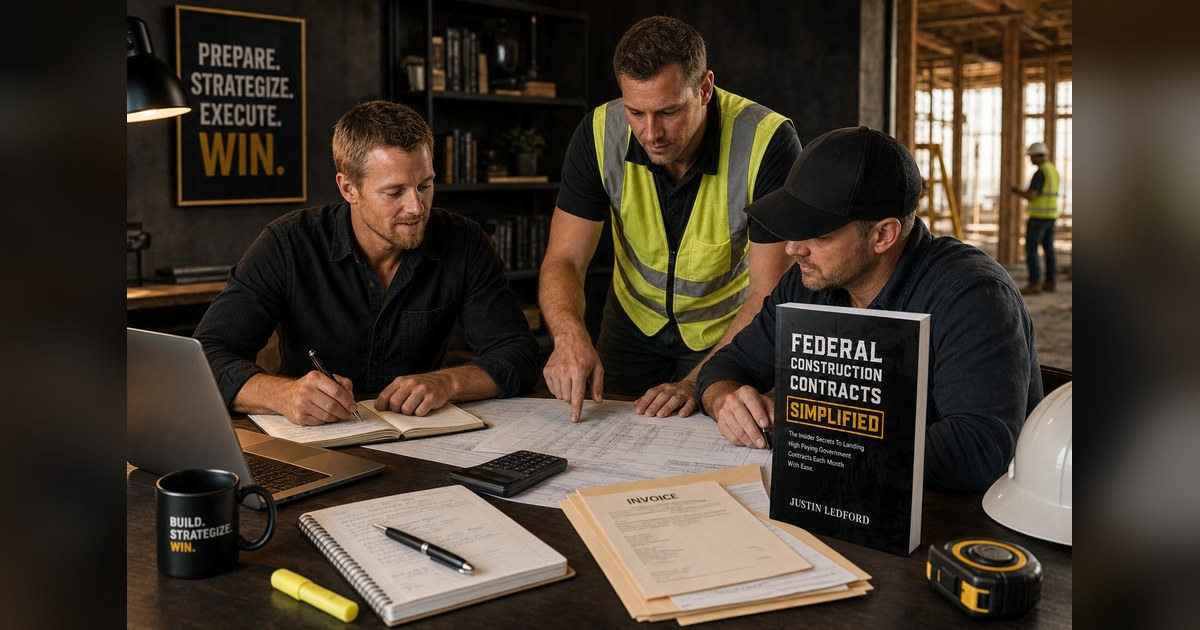
If you’re ready to explore the world of government contracting, the Federal Construction Contracts Simplified is your essential guide. Don't miss out on this opportunity to expand your business with lucrative government projects. Get the book today! Compare each opportunity against your actual capacity: bonding, cash requirements, subcontractor pricing, performance obligations, reporting, and payment terms. Winning a large award is only useful if the contract can be performed at an acceptable margin.