General Contract My Own Home
The short answer
Yes, you can general contract your own home. However, it involves understanding local laws, obtaining necessary permits, and managing subcontractors. Be prepared for significant responsibilities and challenges throughout the construction process.
Key Takeaways
General Contract My Own Home. - You can act as your own general contractor.
- Understand local laws and permit requirements.
- Be ready to manage subcontractors and schedules.
- Consider the time and effort required for the project.
- A license may be needed depending on your state.
Deciding to general contract your own home can be an empowering decision. Yes, you can indeed take on the role of a general contractor for your home project. However, this path requires a solid understanding of local building regulations, a knack for managing various trades, and the time to oversee the project from start to finish.
Can I general contract my own home?
Yes, you can general contract your own home. Acting as your own general contractor means you're responsible for hiring subcontractors, securing permits, and ensuring the project meets local codes. While it can save money on contractor fees, it demands time, organization, and a clear understanding of construction processes. Most homeowners choose this path to have more control over their project's budget and timeline.
When you act as your own general contractor, you’ll handle everything from negotiating with subcontractors to scheduling inspections. This requires a solid grasp of the construction sequence and regulatory requirements. You’ll need to be adept at problem-solving and have the flexibility to manage unexpected issues that arise during construction. Learn more about federal construction contracts.
How to general contract your own home?
To general contract your own home, start by creating a detailed plan. This includes designing the project, estimating costs, and scheduling tasks. Obtain necessary permits and hire reliable subcontractors. Regularly communicate with your team and inspect work progress. Managing a construction project requires meticulous attention to detail and problem-solving skills.
First, outline your project’s scope and budget. Research and choose subcontractors with proven track records. Negotiate contracts and ensure everyone understands their responsibilities. Acquire all necessary permits early to avoid legal hurdles. Create a realistic timeline and monitor it closely. Regular site visits ensure quality and adherence to codes. Explore our guide on contracting.
How to be a general contractor for your own home?
Being a general contractor for your home involves handling permits, coordinating subcontractors, and ensuring the project stays on track. It’s crucial to be organized and communicate effectively. Prioritize tasks, track expenses, and adjust plans as needed. This role requires dedication and a proactive approach to problem-solving.
Start by learning about local building codes and permit requirements. Establish relationships with reliable subcontractors and suppliers. Use project management tools to keep track of schedules and budgets. Regularly communicate with your team to address any issues promptly. Keep thorough records of all transactions and changes to your project. Get tips on managing construction projects.
How to become my own general contractor?
To become your own general contractor, familiarize yourself with construction management basics, acquire necessary permits, and plan your project meticulously. Develop a network of skilled subcontractors and suppliers. Maintain a clear schedule, and be prepared to adjust plans as unforeseen issues arise. This role demands time, patience, and a strategic mind.
Begin by researching construction practices and building codes in your area. Join local building associations for networking and learning opportunities. Consider taking a course in construction management to enhance your skills. Establish a project timeline and budget, and stick to them as closely as possible. Be flexible and ready to adapt as the project progresses. National Association of Home Builders.
Can you general contract your own home?
Yes, you can general contract your own home, which allows you to be directly involved in every aspect of the build. This role grants you control over costs, quality, and timelines. However, it also requires a deep commitment to managing all aspects of the construction process, including compliance with local regulations.
Taking this path means you’ll wear many hats—from accountant to project manager. You must be diligent about legal requirements and contractual obligations. It’s important to maintain open communication with subcontractors and stay informed on the latest building trends and technologies. Consult resources like the U.S. Small Business Administration for guidance.
Do I need a license to be my own general contractor?
Whether you need a license to be your own general contractor depends on your state’s laws. Some states allow homeowners to manage their own projects without a license, while others require certain credentials. Always check local ordinances and speak with your local building department.
Research your state’s requirements for general contractors. Contact your local building department to confirm whether you need a license or any specific certifications. In some regions, acting as your own general contractor might require you to pass a test or complete certain educational requirements. Always ensure you’re compliant to avoid legal complications.
What are the risks of general contracting your own home?
General contracting your own home involves risks such as budget overruns, delays, and compliance issues. Without experience, managing subcontractors and ensuring quality can be challenging. Mistakes can lead to costly repairs and legal problems. Weigh these risks against potential savings and control over your project.
A primary risk is underestimating costs and time. You might face penalties for not adhering to building codes or permits, leading to delays. Choosing unreliable subcontractors can result in poor workmanship or missed deadlines. Consider the risk of personal liability if accidents occur on site. Ensure you have the right insurance coverage.
What to expect when general contracting my own home?
Expect to invest significant time and effort when general contracting your own home. You’ll be responsible for every aspect from permits to final inspections. Prepare for challenges such as coordinating subcontractors and managing deadlines. This experience can be rewarding if you’re organized and proactive.
You’ll need to dedicate time daily to oversee the project’s progress and resolve issues. Effective communication with subcontractors is key. Be prepared for unexpected challenges and learn to adapt quickly. Maintaining detailed records of all project stages will help keep things on track. HomeAdvisor - Finding a Contractor.
| Aspect | Doing it Yourself | Hiring a Pro |
|--------|------------------|--------------|
| Cost | Lower costs, no contractor fees | Higher costs due to contractor markup |
| Control| Full control over decisions and changes | Less direct control, but expert guidance |
| Time | Requires significant personal time | Less time investment personally |
| Risk | Higher risk of mistakes and delays | Lower risk due to professional oversight |
Ready to Take Control of Your Home Project?
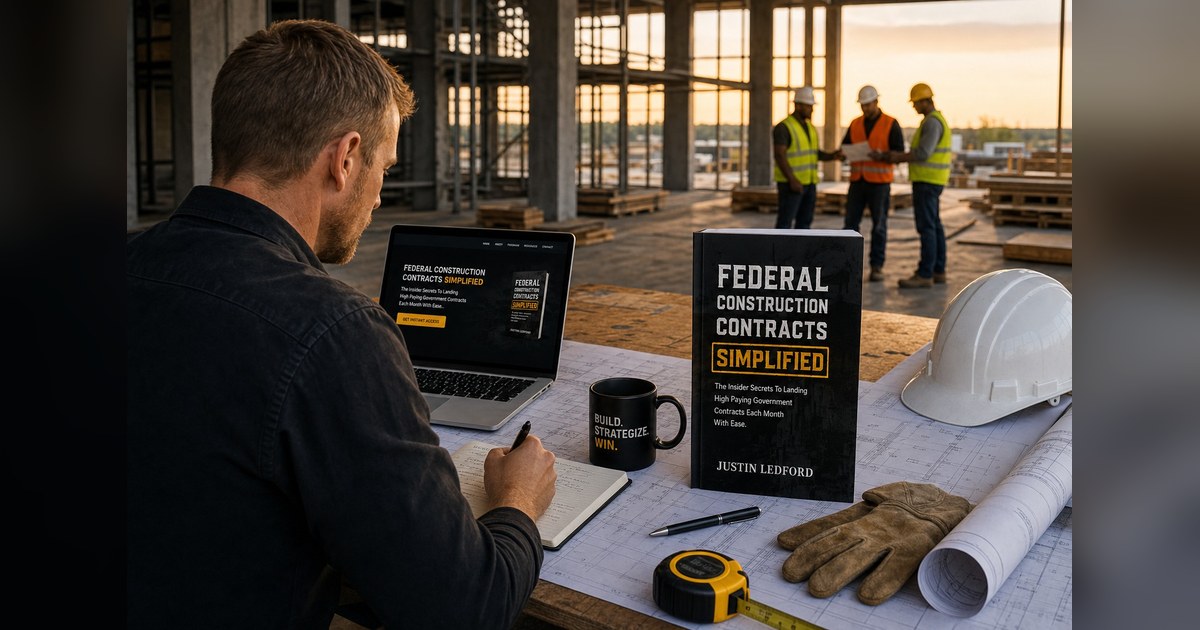
If you’re ready to dive into general contracting your own home, arm yourself with knowledge. Get the book that can guide you through federal construction contracts and simplify the process. Learn the secrets to managing your own build and ensure your project’s success. Claim your copy now and start building the home you envision.