Do Government Contractors Get Back Pay After Shutdown?
Key Takeaways
- Federal contractors may receive back pay post-shutdown.
- Payment eligibility varies based on contract specifics.
- Contractors should understand their rights during shutdowns.
- Clear communication with federal agencies is essential.
Do government contractors get back pay after shutdown? This crucial question arises whenever there is a lapse in government funding. The answer isn't straightforward, as back pay eligibility for government contractors depends on the specifics of the contract and agency policies. Understanding these nuances can help contractors manage the financial challenges posed by government shutdowns.
Do federal contractors get back pay after shutdown?
Federal contractors sometimes receive back pay after a shutdown, but this is not guaranteed. The decision depends largely on the terms stipulated within each contract and whether the contracting agency has budget provisions for such contingencies. Contractors should review their contracts closely and communicate with their federal agency contacts to understand their position.
During a government shutdown, federal employees are typically entitled to back pay once the government resumes operations, as mandated by law. However, for federal contractors, the situation is less clear-cut. Each contract may have different clauses regarding payment during a hiatus in government activities, and these can significantly impact whether contractors receive back pay once operations resume.
Do federal contractors get back pay after a shutdown?
Federal contractors do not automatically receive back pay after a government shutdown. The potential for back pay is influenced by the type of contract and the agency's funding decisions. Contractors should actively engage with agency representatives and legal advisors to ascertain their rights and potential compensation.
The distinction between federal employees and contractors is critical. While legislation often ensures employee back pay, contractors must rely on the stipulations within their contracts. Some contracts may include clauses for delayed payments, while others might not address shutdowns at all. Understanding contract details and maintaining open communication with the contracting agency are key steps for contractors during these uncertain periods.
Do government contractors get paid during a shutdown?
Generally, government contractors do not get paid during a shutdown. Payment halts because the government operations tied to their contracts are suspended. Contractors must prepare for these interruptions by understanding their contractual terms and planning financially for potential delays in payment.
When a government shutdown occurs, the work on some contracts may pause entirely, leading to payment disruptions. Contractors working on essential services might continue to operate, but this doesn’t necessarily ensure timely payment. Contractors should seek clarification from their contracting officers and consider financial strategies to mitigate the impact of payment delays during shutdown periods.
Do federal contractors get back pay during a government shutdown?
Federal contractors are not typically awarded back pay during a government shutdown. If back pay is possible, it usually occurs after the shutdown ends and is contingent upon specific contract terms and agency decisions. Contractors should verify their contract details and maintain communication with their agencies to understand their payment status.
The outcome depends on contract language and agency discretion. Contractors should familiarize themselves with the Federal Acquisition Regulation (FAR) and consult legal professionals if necessary. This knowledge equips contractors to make informed decisions and potentially negotiate back pay when the government reopens.
What happens to government contractors during a shutdown?
During a government shutdown, contractors often experience a halt in work and payments. The extent of the impact varies based on the nature of their contracts and the classification of their work (essential vs. non-essential). Contractors need to be proactive in understanding these distinctions and planning accordingly.
Most contractors working on non-essential projects face suspension, impacting their cash flow and operations. Essential services contractors might continue working, but without guarantees of immediate payment. To manage these periods effectively, contractors should review their contractual obligations, communicate with contracting officers, and potentially seek alternative financing options to bridge any payment gaps.
Are government contractors eligible for back pay?
Eligibility for back pay among government contractors depends largely on the type of contract and agency policies. Unlike federal employees, contractors do not have a blanket entitlement to back pay, making it vital for them to understand their specific contract terms.
| Contractor Type | Eligibility for Back Pay |
|----------------------|--------------------------------|
| Federal Employees | Guaranteed by law |
| Essential Contractors| Possible, if stipulated |
| Non-Essential | Unlikely, unless specified |
Understanding eligibility criteria is crucial for contractors to assess their financial position post-shutdown. Reviewing contract details and seeking guidance from the U.S. Small Business Administration can provide clarity.
How does a government shutdown affect contractor payments?
A government shutdown directly affects contractor payments by halting the payment processes tied to federal operations. Contractors must manage these interruptions by understanding their contracts and preparing financially for payment delays.
Shutdowns cause disruption across various government functions, leading to halted projects and delayed payments. The effects vary based on whether the contractor’s work is deemed essential. Contractors should maintain open lines of communication with their contracting officers and possibly adjust their financial plans to accommodate these disruptions.
Can contractors file for back pay after a shutdown?
Contractors may have the option to file for back pay, but this depends on contract terms and agency guidance. Contractors should proactively review their contracts and engage with legal advisors to explore their options for seeking compensation after a shutdown.
1. Review your contract for relevant clauses.
2. Contact your agency representative for clarification.
3. Consult legal professionals to understand your rights.
4. File necessary paperwork as advised by the agency.
By following these steps, contractors can position themselves to potentially recover lost wages and stabilize their financial standing post-shutdown.
Secure Your Federal Contracts for the Future
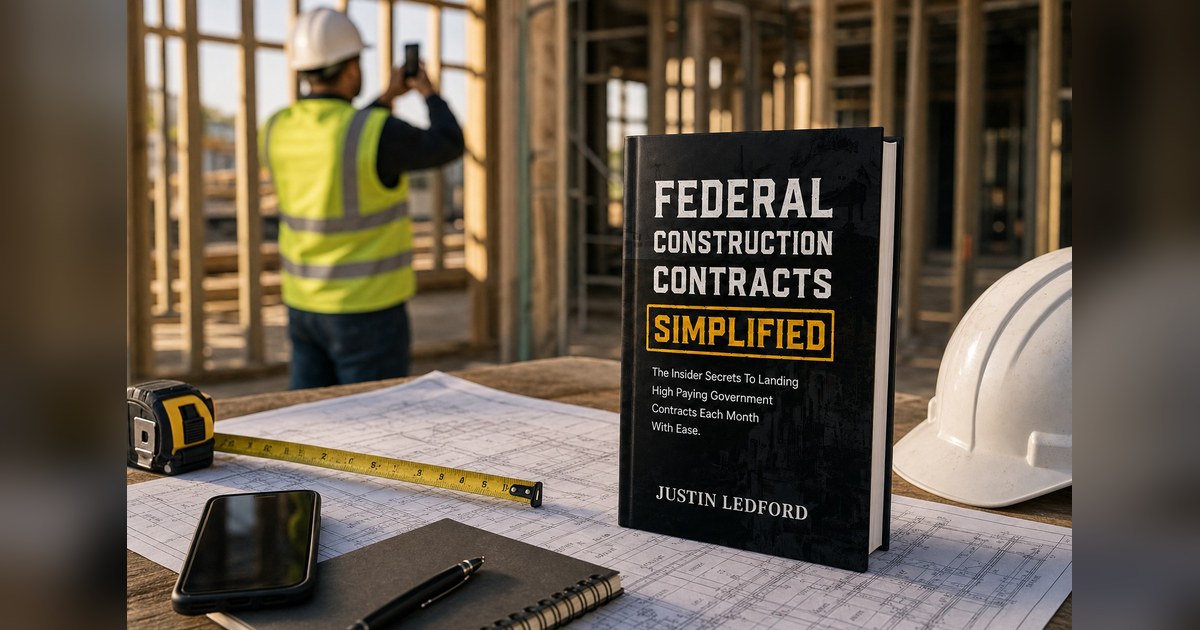
To handle the complexities of government contracts, it's essential to be well-informed and prepared. The Federal Construction Contracts Simplified book is a valuable resource for contractors aiming to secure federal contracts and manage shutdowns effectively. Claim your digital copy for $7.95 and ensure your business is ready for any eventuality.