Defense Contractor Vs Government Contractor
The short answer
Defense contractors focus on military and security projects, while government contractors work across various sectors. Both serve the government but have different scopes and responsibilities.
Key Takeaways
- Defense contractors focus on military and security projects.
- Government contractors can work across various sectors.
- Contractors are not considered federal employees.
- Both contractor types serve the government but have different scopes.
- Understanding these roles helps in identifying federal opportunities.
Understanding the differences between a defense contractor vs government contractor is crucial for anyone exploring federal contracting opportunities. While both types of contractors serve government interests, defense contractors specifically focus on military and national security projects, whereas government contractors may work in a variety of sectors, such as healthcare, infrastructure, and technology.
What is a government contractor?
A government contractor is a company or individual hired by the government to provide goods or services. These contracts can span various sectors such as technology, construction, or healthcare. The work is governed by specific regulations like the Federal Acquisition Regulation (FAR), ensuring compliance with federal standards and practices.
Government contractors provide essential services and products that support government operations. For example, a company might be contracted to build roads, develop software, or supply medical equipment. The diversity in projects allows many businesses to engage in government work, making it a lucrative opportunity across different industries. To learn more, explore Understanding Federal Contracting Opportunities.
Defense contractor vs government contractor: What's the difference?
The primary difference between defense contractors and government contractors is the focus of their work. Defense contractors are specifically engaged in national defense projects like weapons systems, military technology, or security infrastructure, while government contractors can be involved in many other sectors like public health or education.
| Aspect | Defense Contractors | Government Contractors |
|--------|----------------------|------------------------|
| Focus | Military and security projects | Various sectors including healthcare, education, and technology |
| Clients | Primarily Department of Defense and related agencies | Multiple government departments |
| Regulations | Defense-specific compliance requirements | General federal acquisition regulations |
Defense contractors must adhere to strict regulations and security protocols due to the sensitive nature of their work. Meanwhile, government contractors might deal with different requirements, which are often dictated by the nature of their specific contract and the department they are working with.
Contractor vs government employee: How do they compare?
Contractors and government employees serve the public sector but differ in employment status and job security. Contractors are hired for specific projects and do not receive the same benefits or job security as government employees, who enjoy stable employment and benefits such as pensions and healthcare.
Government employees have a direct relationship with the government, often providing administrative and managerial functions within public institutions. In contrast, contractors are engaged for their specialized skills or the ability to deliver goods and services more efficiently. Contractors can offer flexibility and expertise that might not be readily available within government agencies themselves.
Contractor vs federal employee: What’s the distinction?
The distinction between contractors and federal employees hinges on employment terms and responsibilities. Contractors are independent entities hired for specific tasks, whereas federal employees are permanent staff members with ongoing roles within government agencies.
Federal employees work directly for the government, contributing to policy-making and administration. Contractors, however, are brought in for their specialized skills and are bound by contract terms, which specify the scope of work, timelines, and delivery outcomes. While federal employees enjoy consistent roles, contractors bring specialized capabilities, often on a temporary basis.
Are contractors considered federal employees?
Contractors are not considered federal employees. They do not receive the same benefits or employment protections as federal employees. Instead, they are hired under specific contracts that outline their duties, compensation, and duration of employment.
Contractors work independently, and their relationship with the government is defined by the terms of their contract. They might work alongside federal employees but remain separate in terms of employment status and benefits. This distinction is crucial for understanding the operational dynamics within government projects.
Who is considered a federal contractor?
A federal contractor is any business or individual that enters into a contract to provide goods or services to the federal government. This includes a wide range of industries, from construction and technology to consulting and procurement.
Federal contractors must adhere to specific regulations and guidelines outlined by the government, such as those in the Federal Acquisition Regulation (FAR). Becoming a federal contractor often requires a thorough understanding of these regulations and a strategic approach to managing the bidding and compliance processes.
How do you become a defense contractor?
To become a defense contractor, a company must register with the appropriate government agencies, comply with defense-related regulations, and successfully bid on defense-related projects. This often involves securing necessary clearances and certifications.
1. Register your company with the U.S. Small Business Administration.
2. Obtain necessary certifications and clearances for defense contracting.
3. Bid on defense contracts through platforms like the Defense Contracting Management Agency.
4. Ensure compliance with all defense-related regulations and standards.
Engaging in defense contracting necessitates a deep understanding of the unique requirements of military and security projects, including adherence to strict security protocols and compliance with specialized regulations.
What are the responsibilities of a government contractor?
Government contractors are responsible for delivering on the terms of their contract, which can include providing services or building infrastructure. They must ensure compliance with federal regulations and meet specified deadlines and quality standards.
Government contractors might be tasked with constructing buildings, developing software, or providing consultancy services. Their responsibilities include coordinating with government agencies, adhering to strict regulations, and delivering projects on time and within budget. Understanding these responsibilities helps contractors succeed in federal opportunities. For more details, Learn More About Federal Contracts.
Take the Next Step in Federal Contracting
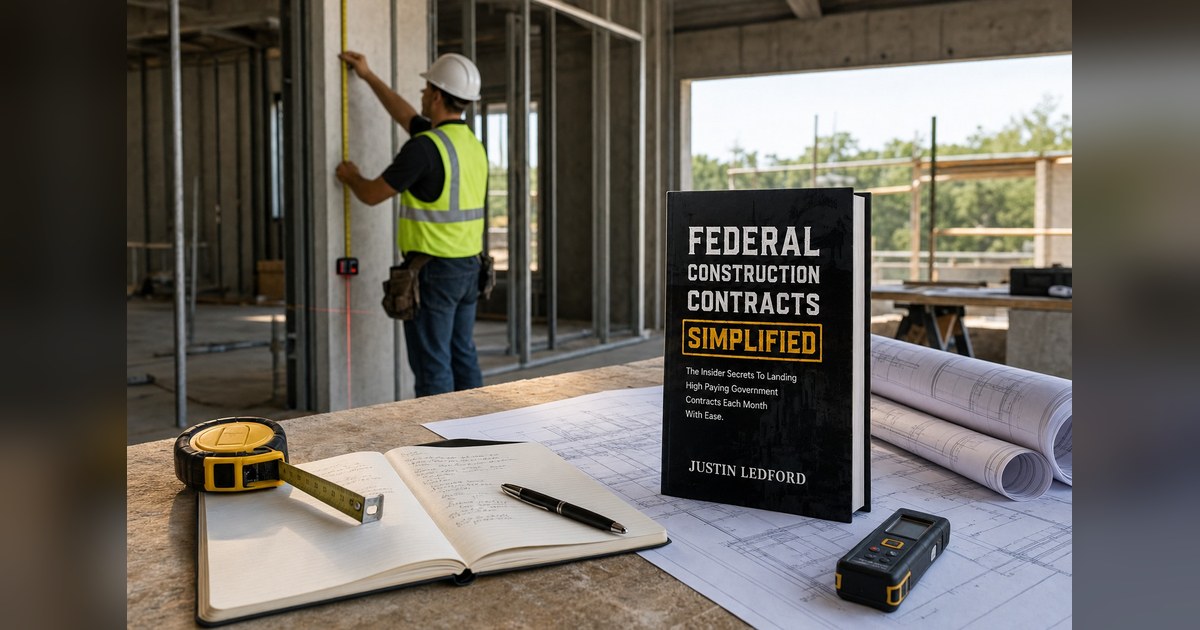
Grasping the distinctions between defense and government contractors can open doors to lucrative federal opportunities. If you're ready to dive deeper into government contracting, Get the Book on Government Contracts for just $7.95. This comprehensive guide provides the insights and steps necessary to effectively manage government contracts. Act now to claim your copy and start your journey toward becoming a successful federal contractor.